
The largest companies in America are frequently grabbing our attention in the media.
Far fewer of us think about the small businesses quietly keeping their communities running every day.
- The family-owned restaurant where everyone knows your name and your order.
- The neighborhood hardware store where customers receive expert advice.
- The local accountant who helps small businesses navigate tax season.
- The HVAC technician who restores heat during a winter storm.
- The hair salon where clients have been coming for years.
- The pet grooming business that knows every animal by name.
These businesses rarely make headlines. They don't ring the opening bell on Wall Street or run massive PR campaigns. Yet they are part of the foundation that keeps communities functioning. Most people don't notice them until they're gone.
The Businesses Behind Everyday Life
When people think about infrastructure, they think about roads, bridges, airports, and power grids. Communities depend on another kind of infrastructure: small businesses.
Together, these businesses create jobs, develop talent, support local organizations, and contribute to the character of a community.
Many have been operating for decades. Their presence becomes so familiar that people assume they will always be there.
The Retirement Challenge
Across America, millions of small business owners are approaching retirement. Some have family members ready to take over. Others will sell to employees, management teams, or outside buyers. Many, however, have not yet determined what comes next.
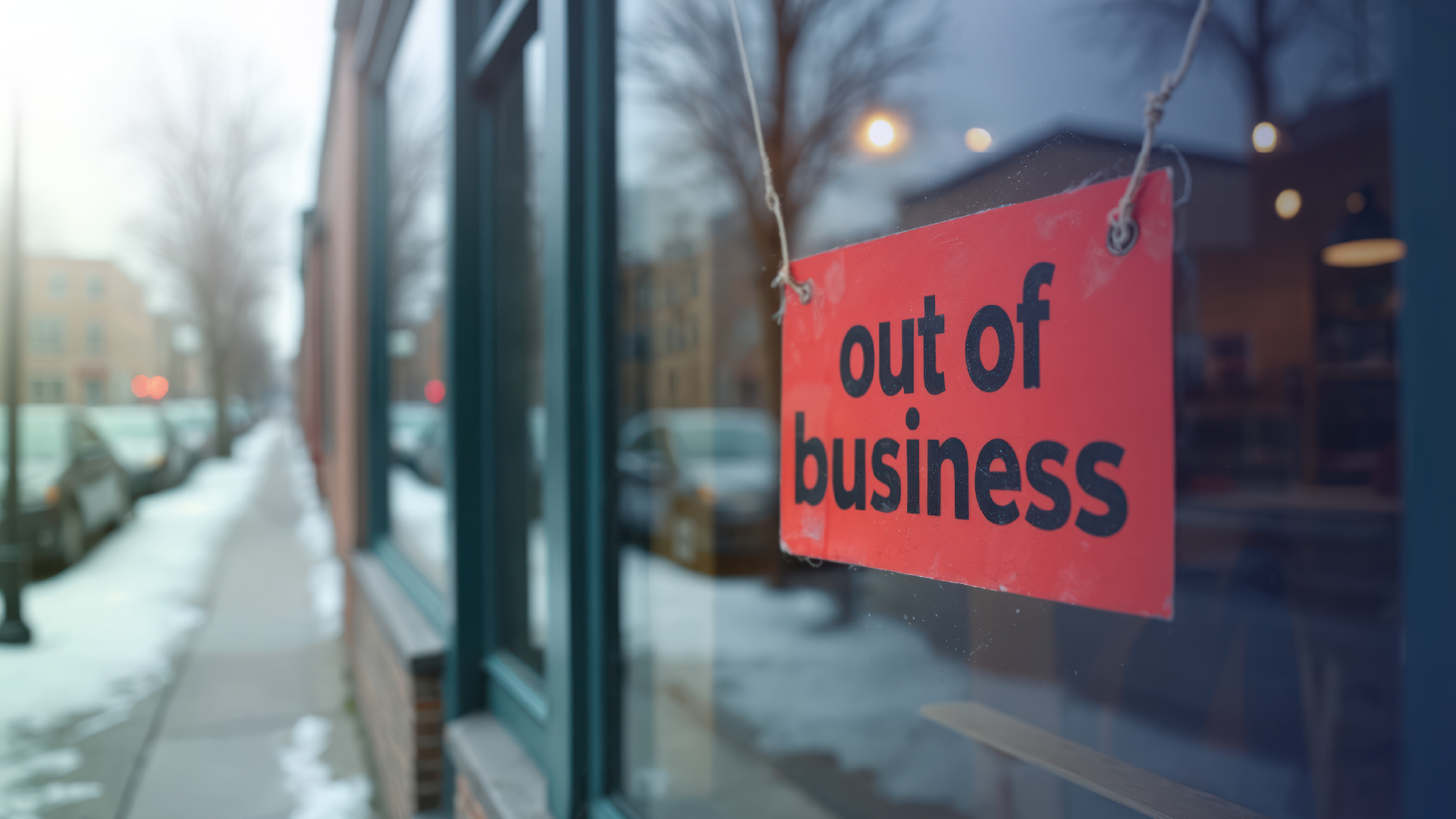
When a business closes because an owner retires without a succession plan, the consequences extend far beyond the owner. Employees lose jobs. Customers lose trusted providers. Communities lose economic activity, relationships, and institutional knowledge built over decades.
What appears to be a personal retirement decision can quickly become a community issue.
More Than Revenue and Profit
Business value is often discussed in financial terms: revenue, profitability, cash flow, and valuation multiples. Those metrics matter, but they do not capture the full impact of a business.
Small businesses create opportunities, support families, and provide services that communities rely on every day. Their contribution extends well beyond what appears on a financial statement.
The Unsung Heroes of Main Street
The entrepreneurs who build these businesses rarely seek recognition. They spend years serving customers, creating jobs, solving problems, and weathering economic uncertainty.Their work helps communities thrive, even if most people never notice it.
In many ways, these owners are stewards of local economic infrastructure.
Preserving What Matters
The future of many communities will depend on whether these businesses successfully transition to the next generation of ownership.
That next owner may be a family member, an employee, a management team, or an entrepreneur pursuing acquisition instead of starting from scratch.
Successful transitions preserve jobs, customer relationships, and community stability. Failed transitions often result in the loss of businesses that took decades to build.
As America enters one of the largest ownership transitions in its history, preserving these businesses will require planning, preparation, and new owners willing to carry them forward.
Because some of the most important businesses in America are not the ones everyone knows.
They're the ones communities depend on every day—and cannot afford to lose.


